
About me
Answering the question “Who am I?” is not simple.
If I had to define myself, I would say this: I am driven by curiosity — by the desire to look for answers to questions that are ignored, difficult, or even simple but uncomfortable. This inclination toward inquiry crossed paths very early with my passion for the mountains.
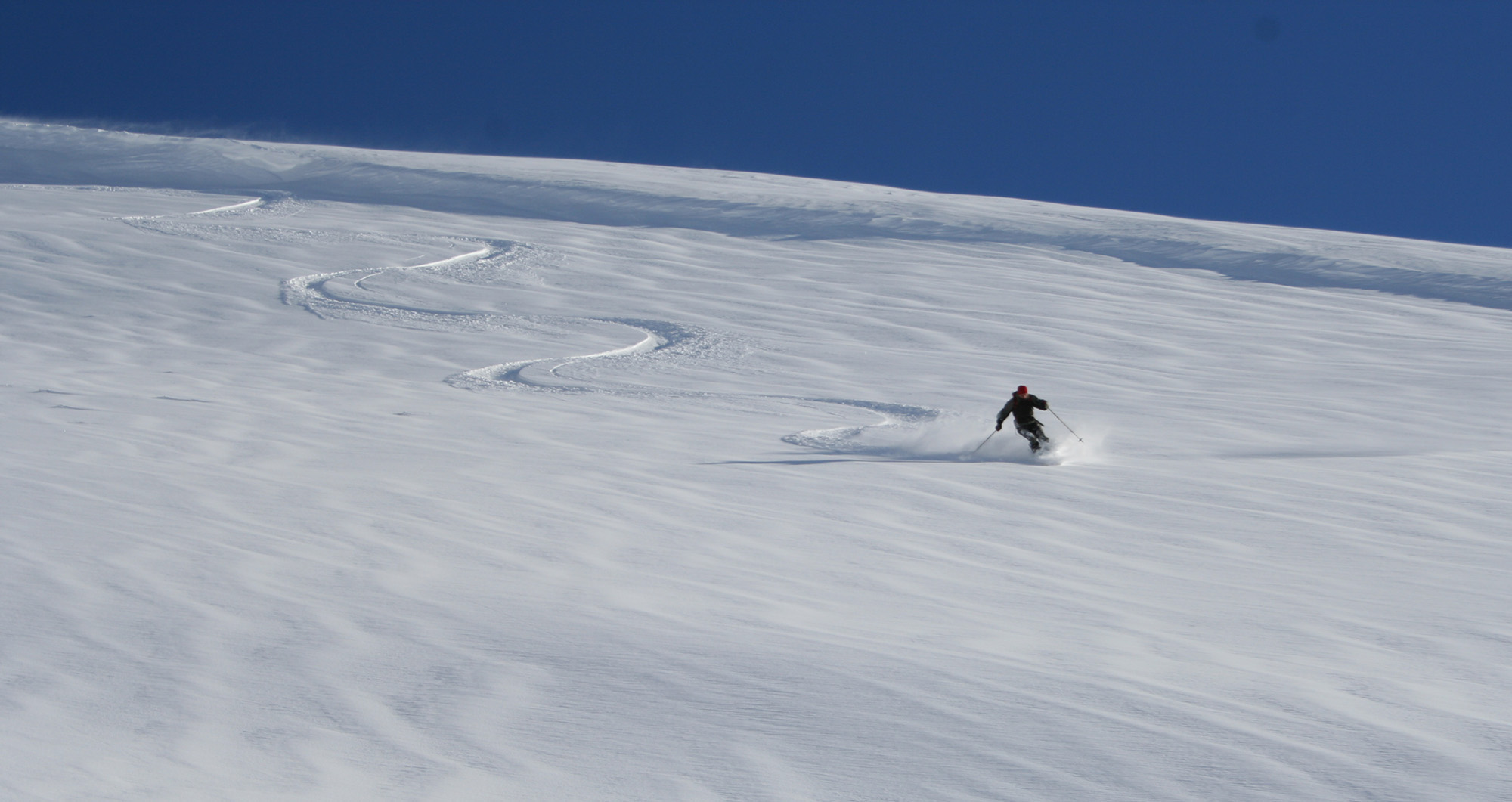
I began climbing at eighteen, in 1978, but thanks to my parents I had been immersed in nature — from the sea to the mountains — since my earliest years. I first put on skis when I was just a year and a half old.
Sport, however, has never interested me for its own sake. Competitions, records, rankings—these matter to me only up to a point. For me, physical practice has always been a means to something deeper. I felt it was important to reconcile sport with culture, combining broad knowledge across disciplines with deeper specialisation in some of them.
It was for this reason that, in the mountains, I became passionate about every form of mountaineering and climbing, eventually turning that passion into my profession.
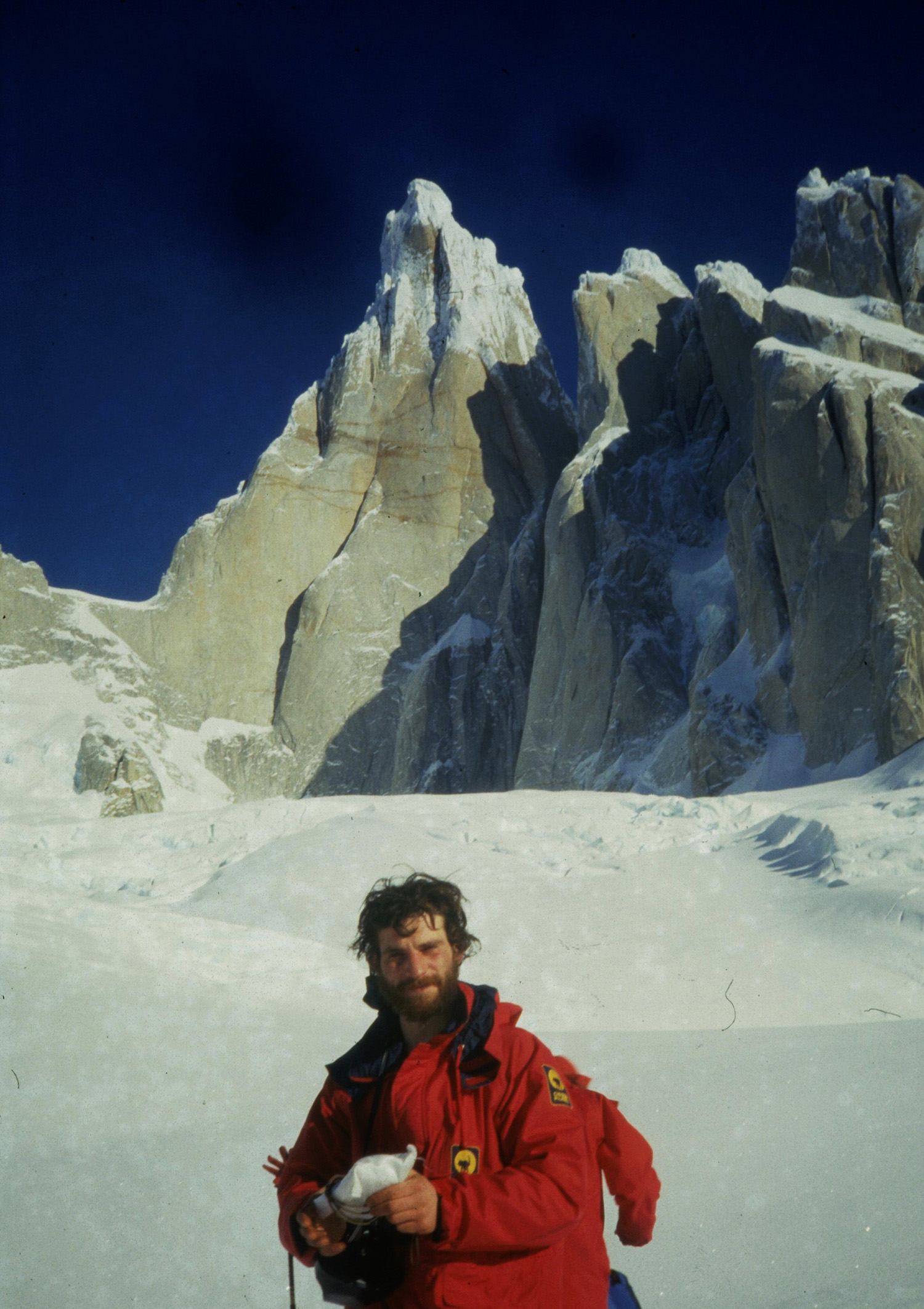
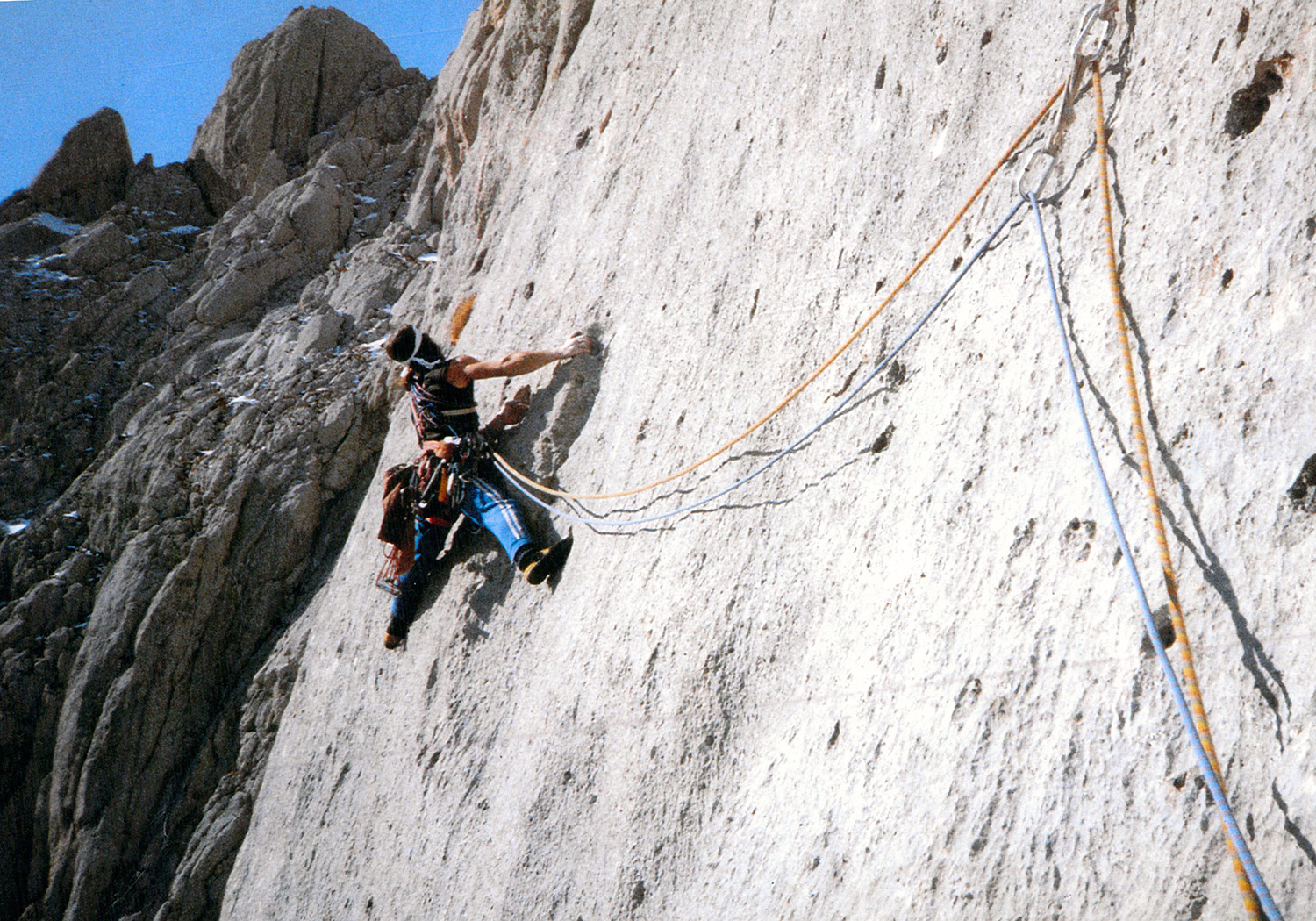


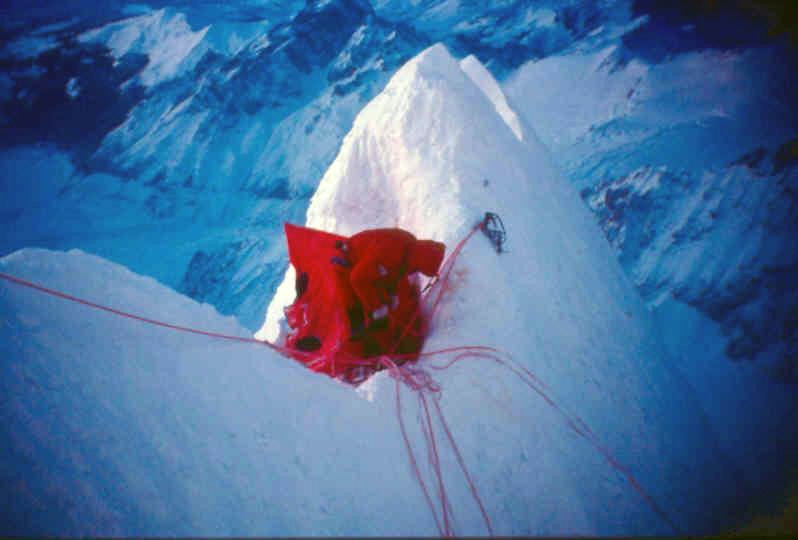

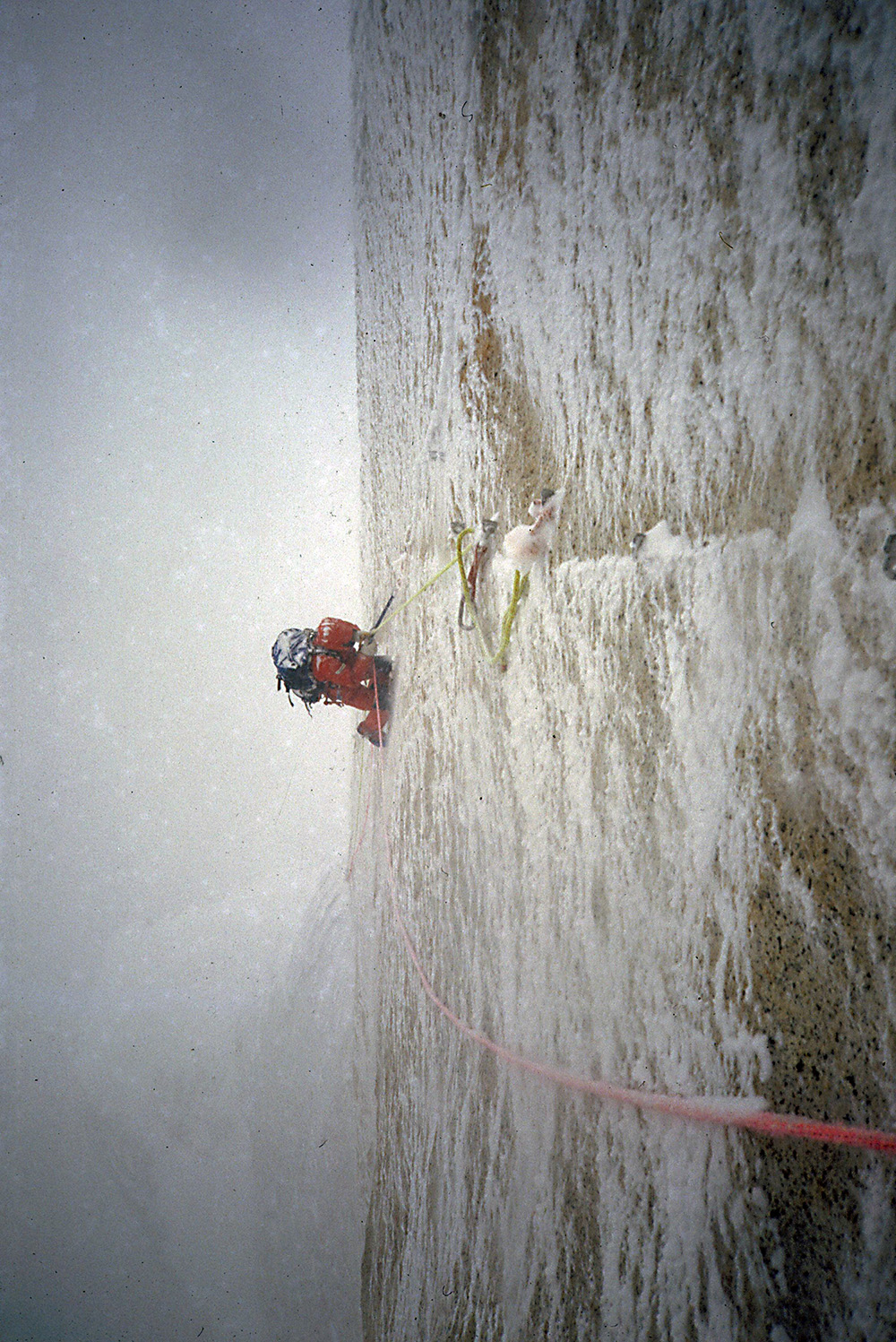


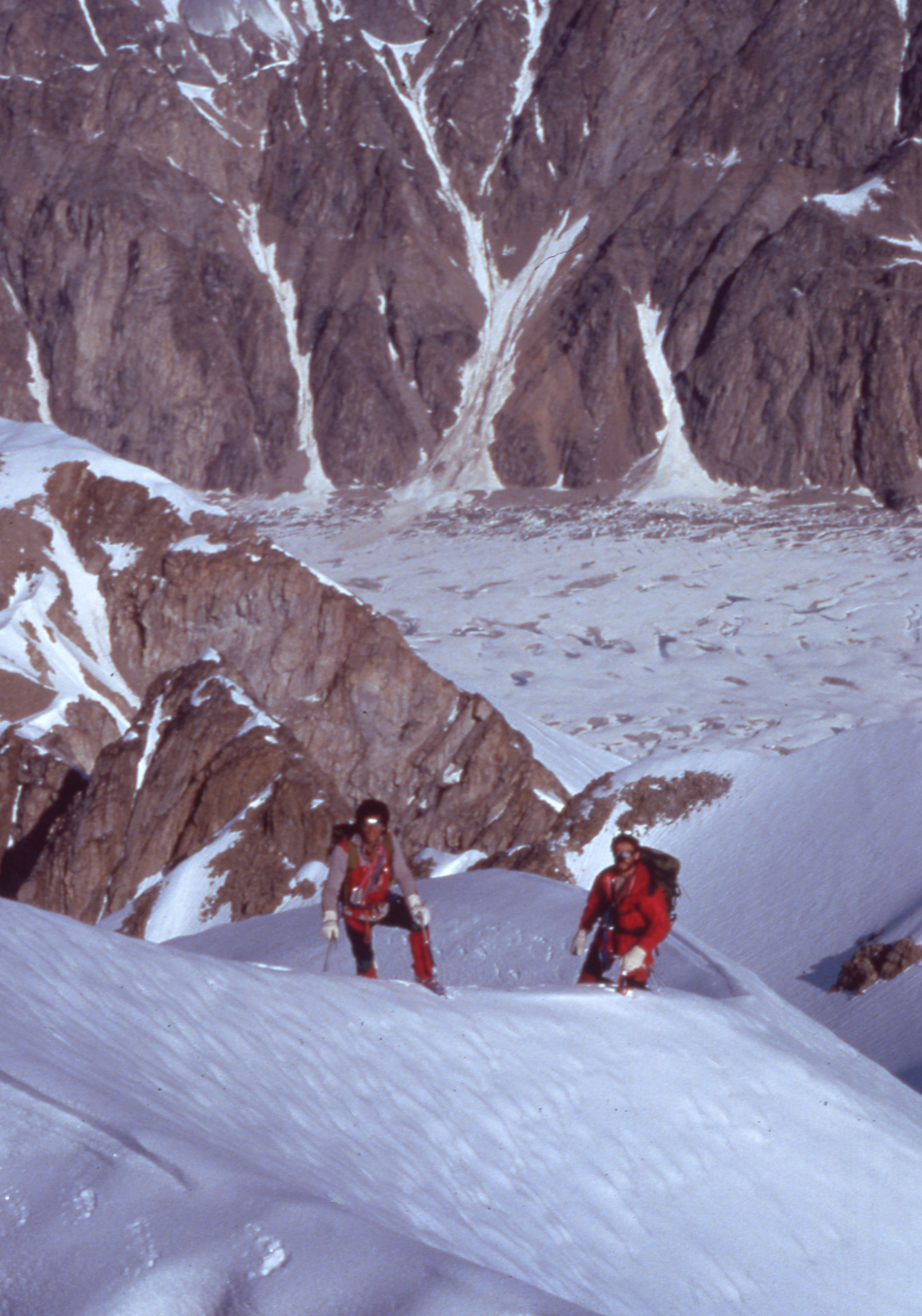


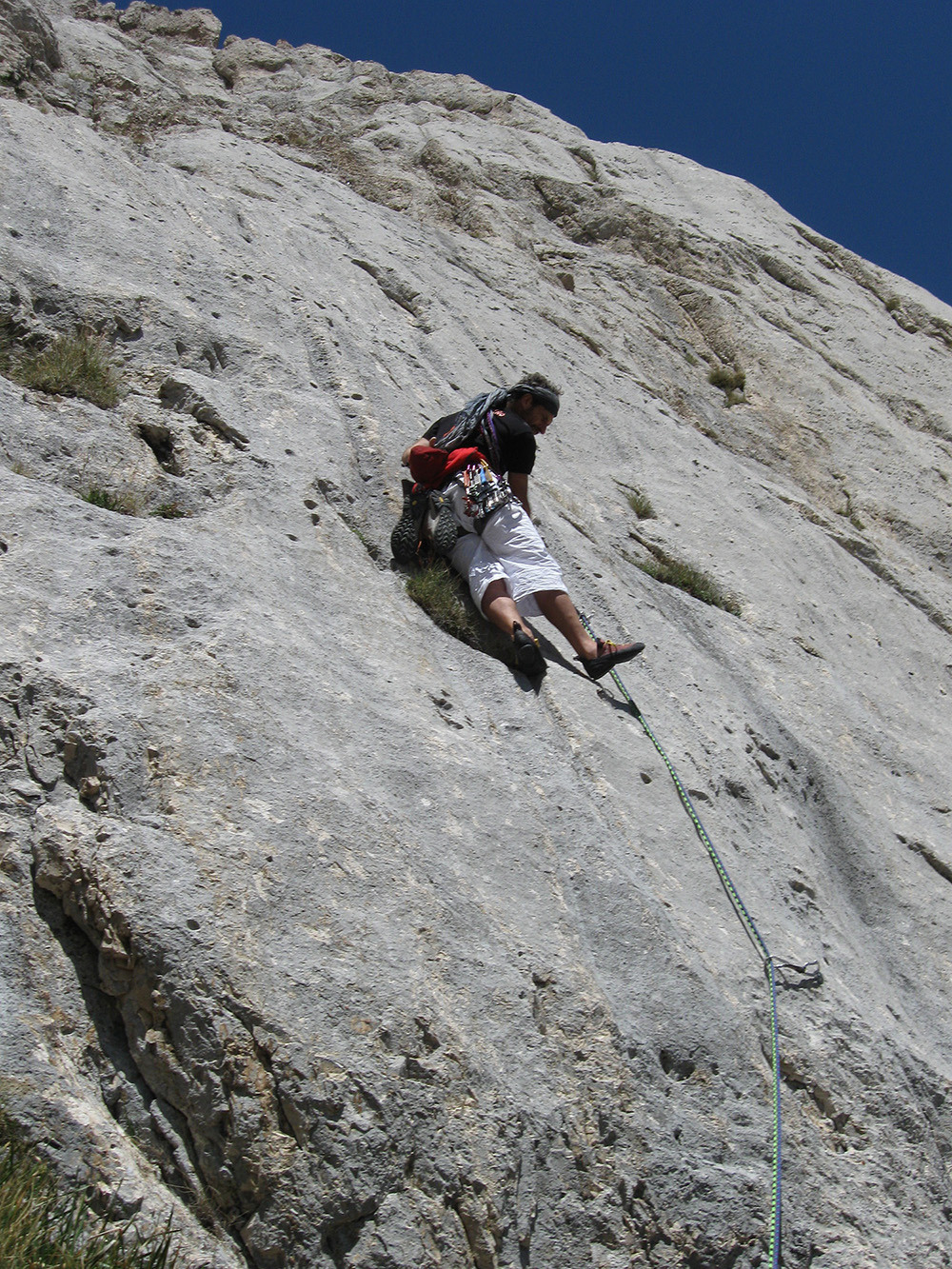




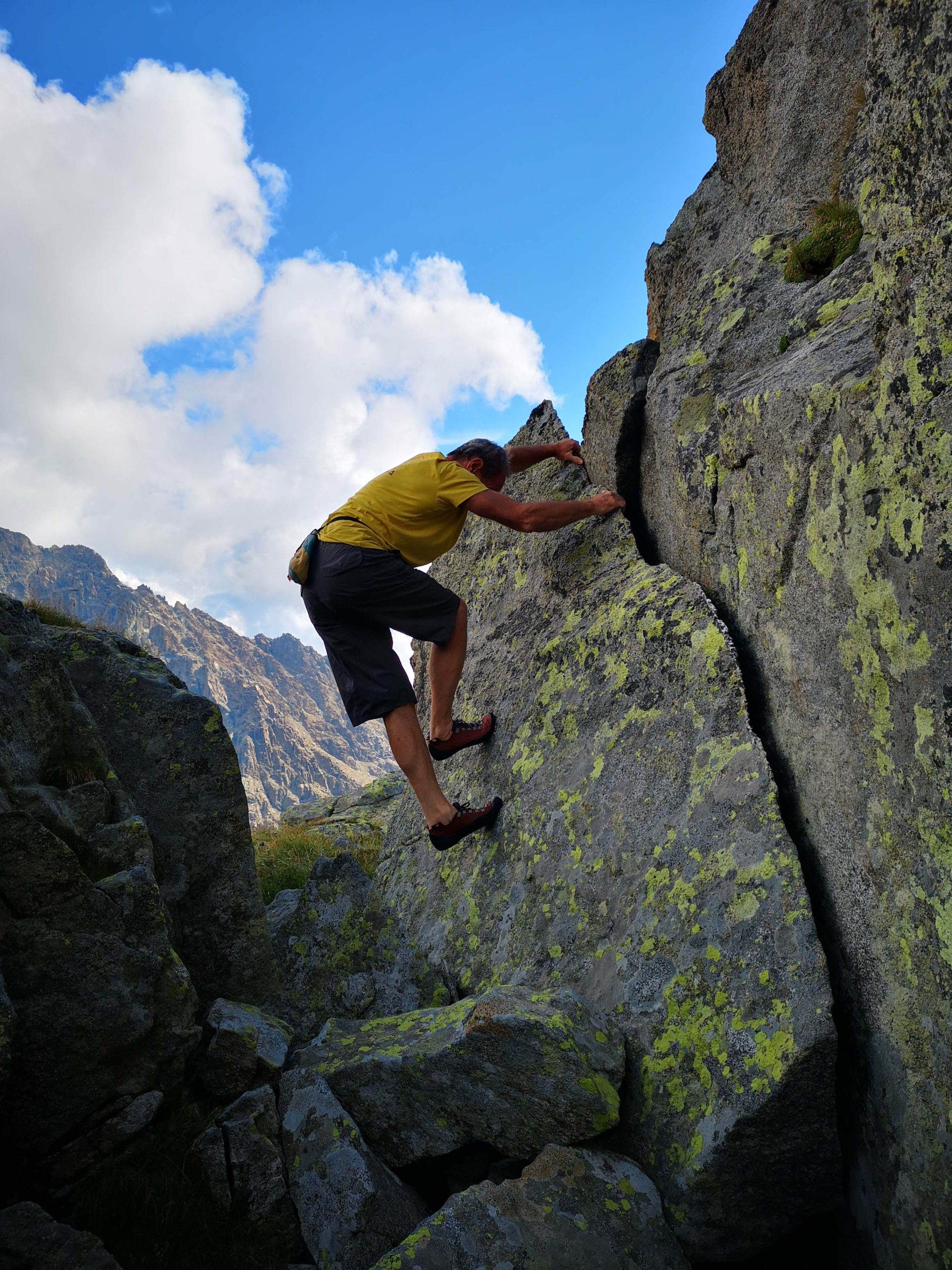




I became a Mountain Guide in 1981, just as sport climbing was beginning to emerge. But in the early 1980s, climbing was still practiced mainly on crags as training for the mountains. In those transitional years, I began searching for new inspiration in climbing, and this led me to open routes of a new concept, such as Cavalcare la tigre in 1982 on the Corno Piccolo of the Gran Sasso (Abruzzi, Italy), along with other exceptional lines like Golem and Baphomet on the Monolito, and Nagual and La Farfalla on the Paretone of Corno Grande.
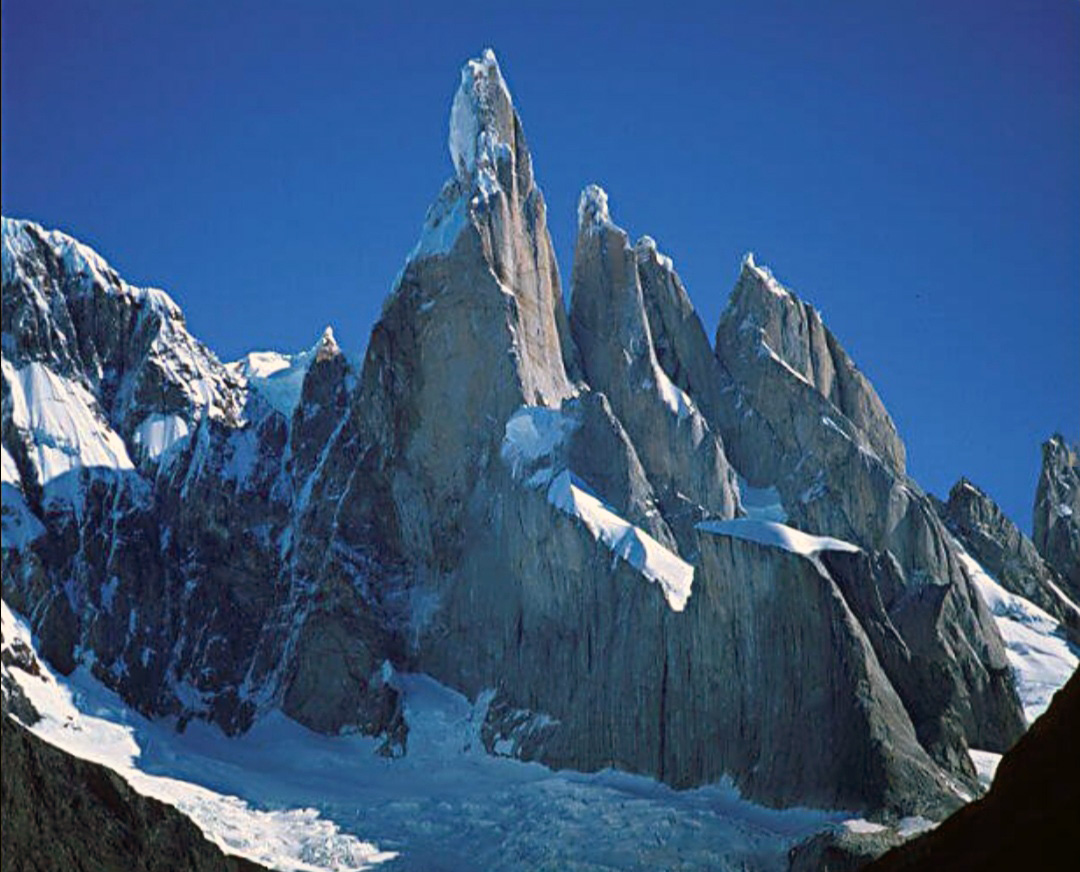
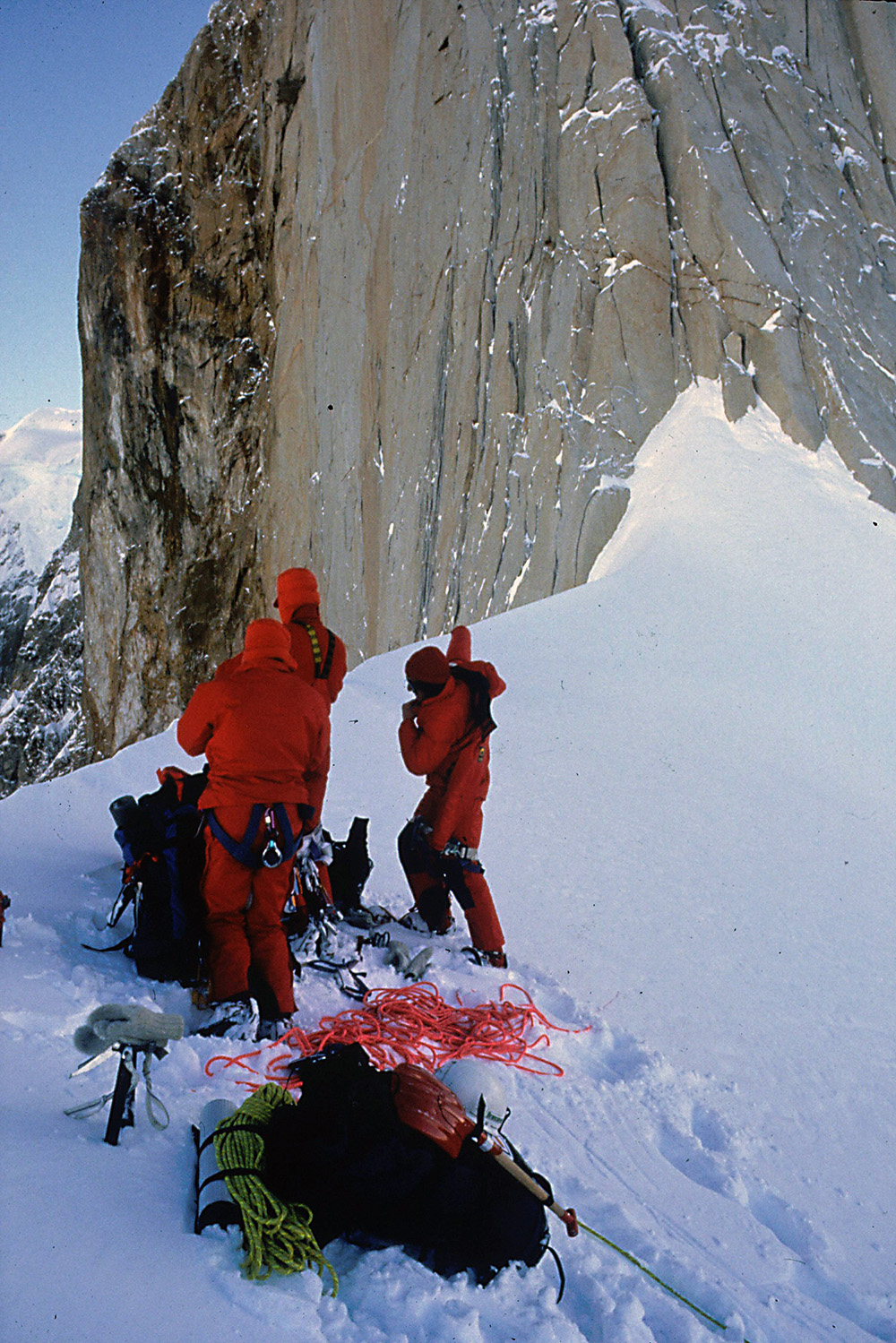
At the same time, I was drawn to new horizons in winter alpinism, which led me to complete major first winter ascents such as the Second Pillar, Fourth Pillar, and the Anticima on the Paretone of Corno Grande, as well as the first-ever winter ascent of the famous Cerro Torre in Patagonia. During those years, I also engaged in exploratory alpinism, climbing previously untouched peaks in the Stauning Alps of Greenland and in the Wadi Rum desert in Jordan.
I repeated the great classic routes of Mont Blanc and the Dolomites, but also modern lines such as Voyage selon Gulliver on the Petit Capucin and the Fish Route on Marmolada.
In choosing which climbs to repeat, I was always guided by the human experience they offered, the logic of the lines, and respect for nature. I never liked collecting routes or chasing “firsts” at all costs. For example, in Yosemite, after climbing the Salathé, we went on to climb Astroman, and only years later did we discover that we had unknowingly completed the first Italian ascent.

At the end of the 1980s, I began practising Qi Gong and Tai Ji Quan, and studying Shiatsu — ancient Chinese disciplines that allowed me to discover new dimensions in the art of natural and efficient movement, and to deepen my understanding of the human body.
The Caruso Method® — without question my most demanding and rewarding “ascent” — was born from the integration of several elements: my thirst for knowledge and adventure, my personal experience as a climber and alpinist, a passion for genuine teaching, the study of other sports disciplines (particularly the Eastern practices mentioned above), as well as my classical studies.
From Socrates, I learned the importance of maieutics in teaching, and the awareness that excessive specialisation can make you more ignorant rather than more knowledgeable if it is not accompanied by a sense of humility toward the great mystery that is life. A wise person is one who, when faced with the vastness of knowledge, remains aware of their limits and can admit that they “do not know,” despite years of study.
In climbing, there was a gap — and the Method I developed sought to fill it. Yet the techniques of the Caruso Method® go far beyond technical and didactic aspects alone. They reflect a precise approach to climbing, alpinism, and the mountain environment as a whole — one that places the development of the individual, in harmony with nature, at the centre of the experience, beyond performance and purely competitive goals.
In the 2000s, I also worked in managerial training, applying the Method’s approach and its “tactics” to the natural resolution of complex management situations.
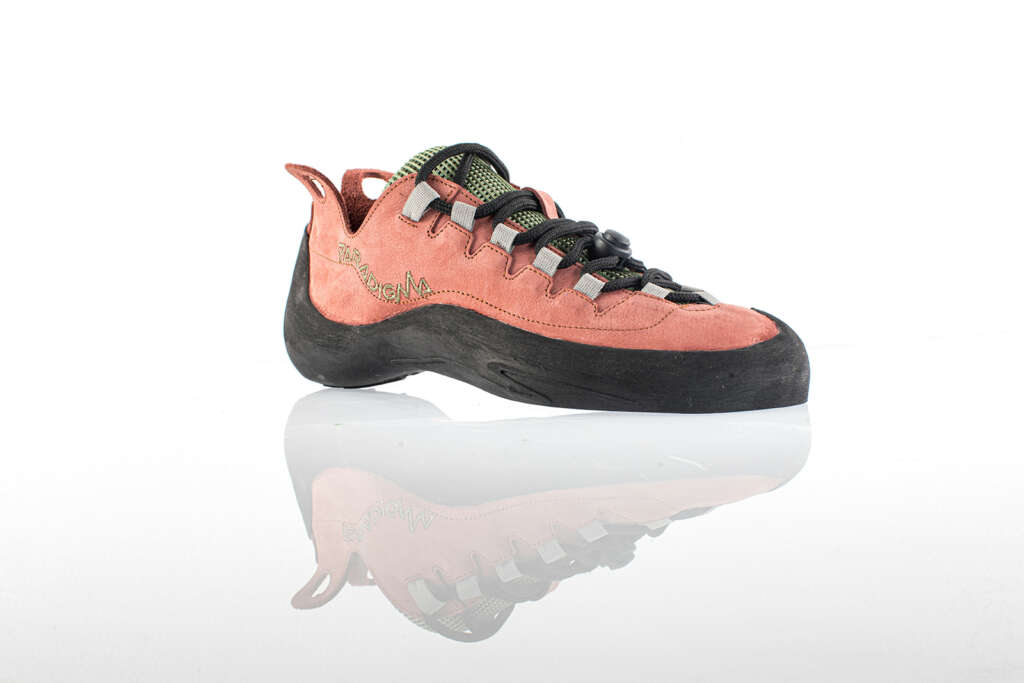
After years of work, from 2017 to 2021, Paradigma was born: a new-concept climbing shoe that I designed, developed, and created to fill a gap in the market. First, I wanted a high-performance shoe that would allow natural movement without forcing the foot into cramped, painful positions. Second, I sought a rubber compound that would be both sticky and durable — able to grip on the smallest footholds without wearing out quickly. Finally, I aimed for a shoe that would be as versatile as possible.
In 2024, adapting to new times and new forms of communication, I launched my YouTube and TikTok channels to share climbing techniques on rock, snow, and ice, off-piste skiing skills, and the Matrices of Movement with a wider audience — with the goal of conveying the authentic content of the Caruso Method®, beyond the many incorrect imitations that have unfortunately multiplied in recent years. This also allows the public to discover the qualified professionals who are trained to teach the Method correctly.
Over the years, I have written several books and manuals and produced an instructional video on climbing technique.
You can find the full list of my works here, each with a brief description.


