
An Innovative Rock Climbing Shoe

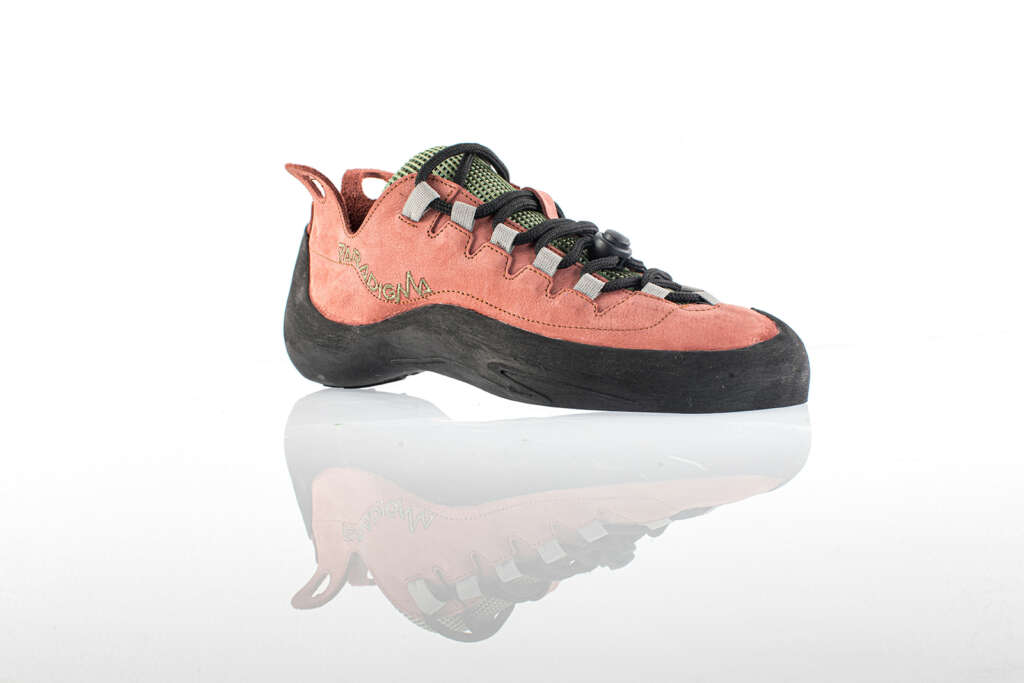
Among climbing gear, only shoes directly shape movement—and therefore technique. For decades, precision has been equated with pain. But is that really true? While working with Boreal, I sought to develop a climbing shoe that combined performance and comfort. To make this possible, however, I had to strike out on my own. That is how the Paradigma shoes were born…
The Method in Climbing
In rock climbing, the Caruso Method® is founded on the principles that underlie ideal movement in the vertical dimension. These principles have made it possible to define the most effective techniques and progressions for developing capacity and motor intelligence.
The Movement Matrices
The Movement Matrices took shape at the end of a long journey of experience and reflection. As my exploration of climbing technique deepened, I naturally began to recognise the elements it shared with ice climbing, skiing, and—just as importantly—walking.



An Innovative Rock Climbing Shoe
Among all pieces of climbing gear, shoes are the only ones that directly shape movement—and therefore technique. For decades, climbers have believed that precision necessarily comes at a cost: pain. But is this really true?

News & Video
7 September 2026
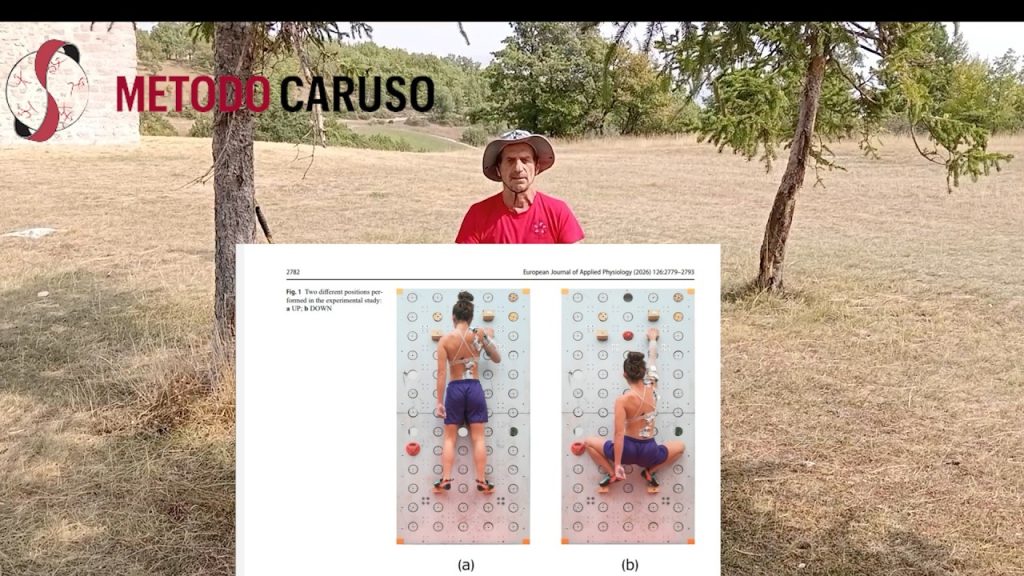
Braccia flesse o tese: approfondimenti
Lo studio di Eleonora Bonelli e co. ha suscitato interesse sui social ed alcuni hanno tratto conclusioni poco pertinenti. Grazie alle Tecniche del Metodo possiamo analizzare gli aspetti più utili e interessanti di questo studio. Ma soprattutto si spiega il motivo per il quale le conoscenze dei Maestri IAMAS sono avanti di alcuni decenni: per imparare correttamente l’arrampicata è fondamentale l’insegnamento “diretto” sul campo che possa permettere di sviluppare correttamente i Canali Teorico e Percettivo (vedi l’Apprendimento integrato del Metodo). Cerca i Maestri del Metodo su www.metodocaruso.com
Leggi di più →
1 September 2026
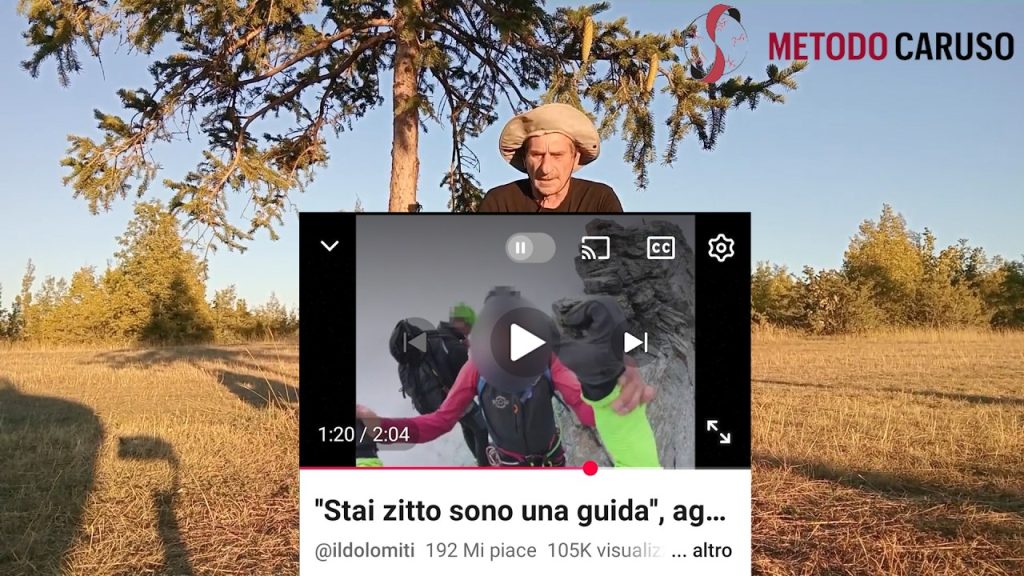
Lite sul Grossglockner: riflessioni
Una lite in montagna tra una guida alpina e un alpinista fa riflettere. Sicuramente la reazione della guida non è accettabile, ma probabilmente dietro questo episodio ci sono problematiche importanti, e anche gravi, che meritano di essere analizzate. In questo video si cerca di fare luce sulle cause che sono dietro a episodi come questo che, se non si fa chiarezza, sembrano destinati ad aumentare, causa l’eccessiva frequentazione delle montagne da parte anche di frequentatori poco preparati. Questo è il link relativo all’episodio in questione: https://www.youtube.com/watch?v=vON-2iFo67s
Leggi di più →
10 August 2026
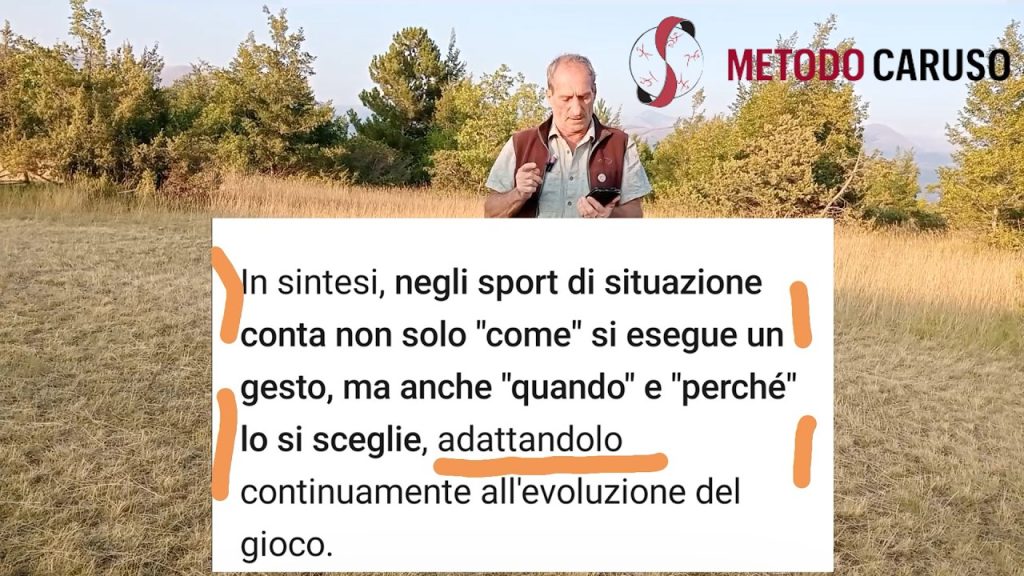
La Tecnica è indispensabile in arrampicata e in tutti gli sport: a prova di analfabetismo funzionale
In questo video sfatiamo definitivamente la credenza secondo la quale in arrampicata non esiste Tecnica. Questa credenza deriva dall’errore antiquato che definiva l’arrampicata una attività casuale o istintiva. Le nuove conoscenze hanno definitivamente debellato queta fallacia culturale e hanno definito finalmente l’arrampicata come sport, alla stregua di tutti gli altri. D’altronde, le conoscenze tecniche relative a tutti gli sport non lasciano dubbi: confrontiamole per dissipare gli ultimi residui di una mentalità vetusta.
Leggi di più →

27 July 2026
Laterale chiuso o completo: un aspetto tecnico fondamentale
Credere che i piedi si appoggino sempre di punta è un grossolano errore che deriva dalla mancanza di conoscenza della Tecnica. La posizione del tallone è determinante ai fini della gestione del peso: per questo bisogna ampliare il bagaglio motorio e imparare ad appoggiare i piedi fino a raggiungere la linea dei metatarsi, sia in assetto frontale (lato interno) che laterale (lato esterno).
Leggi di più →
13 July 2026
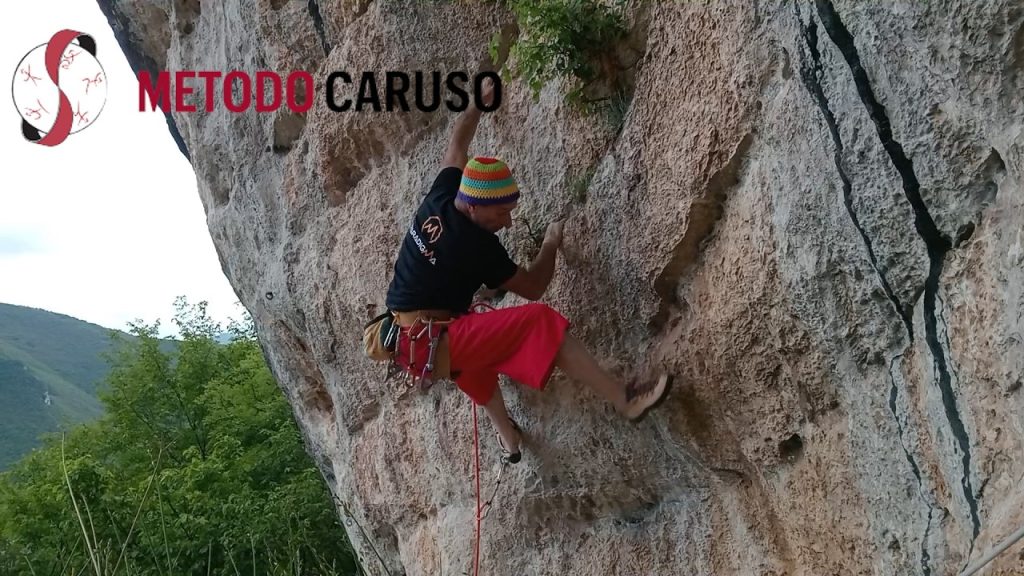
Arrampicare in discesa: video su vostra richiesta
In questo video si analizzano gli aspetti tecnici peculiari dell’arrampicata in discesa. Grazie ad essa è possibile migliorare l’adattamento al movimento e agli aspetti psicologici, utili certamente per l’alpinismo ma anche per acquisire maggiore sicurezza in falesia.
Leggi di più →
29 June 2026
Dal Mito di Fetonte alla nascita della Tecnica e della Civiltà
Una attività sportiva completa unisce realmente mente e corpo. Ma come è possibile farlo? La parte meno conosciuta del mito di Fetonte permette di analizzare i valori che sono alla base dello sviluppo della Tecnica del Movimento, dell’arte e della civiltà.
Leggi di più →
15 June 2026
Tracciatura a piedi liberi e IKIGAI
L’abilità di scegliere il finale o i finali migliori, tra quanti disponibili, in relazione agli appigli utilizzati è una delle abilità più importanti che acquisisce un bravo arrampicatore. Si tratta di una abilità che può e deve essere allenata. Ci sono diversi contenuti tecnici che bisogna conoscere prima di provare, ma se indoor non abbiamo il terreno adatto diventa molto difficile colmare il divario che esiste tra roccia e plastica. Storicamente, le vie indoor sono tracciate a piedi obbligati (mani e piedi sullo stesso colore) e quindi è molto difficile sviluppare questa abilità. Per la prima volta in IKIGAI è, invece, possibile sperimentare anche la tracciatura a piedi liberi grazie ai Maestri IAMAS che hanno “disegnato” i primi itinerari secondo questa modalità.
Leggi di più →
1 June 2026
Prima Conoscenza e Tecnica poi Creatività: sfatiamo un’altra credenza in arrampicata – Parte 3
In questo video si fa chiarezza su alcune credenze sbagliate in arrampicata: ricercare la creatività senza sviluppare la tecnica ostacola l’apprendimento. Nel caso dell’uso dei piedi, è giusto affermare che i piedi si poggiano anche di punta, mentre è sbagliato dire che si utilizzano sempre di punta. La tecnica del bilanciamento ci insegna che un piede posizionato bene è meglio di due piedi appoggiati male, come nel caso della quinta posizione.
Leggi di più →

18 May 2026
Selezioni corso Maestri Arrampicata IAMAS
A settembre si svolgeranno le selezioni del nuovo corso di formazione per Maestro di Arrampicata Sportiva IAMAS. Si tratta dei maestri professionisti che insegnano la Tecnica del movimento in arrampicata. In questo video vengono spiegate le conoscenze necessarie per poter superare le selezioni.
Leggi di più →

27 April 2026
Sfatiamo alcune credenze nell’arrampicata, Talloni alti o bassi? Parte 2
Chi sta in punta di piedi non è in equilibrio, recita un antico detto del Tai Ji Quan. Nonostante la grande diffusione del Metodo e della Tecnica dell’arrampicata esistono ancora alcune credenze completamente sbagliate che derivano da un passato in cui si credeva che l’istinto potesse sostituire la Tecnica del Movimento. In questo video si spiegano i vantaggi dell’assetto con i talloni in basso: soltanto i profani non capiscono che chi padroneggia la Tecnica tiene generalmente i talloni in basso e li alza solo quando serve. Chi invece è sempre con i talloni in alto non è in grado di abbassarli e non può portare correttamente il peso sui piedi.
Leggi di più →
The Caruso Method® for skiing
The Method has led to significant progress in understanding—and therefore in teaching—the principles governing weight management on skis, both in ski mountaineering and off-piste skiing, as well as in adapting to the typical conditions of untracked snow.

The Method on Snow and Ice
The principles of movement on snow and ice are the same as those of rock climbing, with two main differences that limit the range of possible movements:
- ice is generally more uniform and regular than rock and does not allow for friction;
- crampons and ice axes generally result in a frontal stance to the face, with the feet on the front points

Photo Gallery


